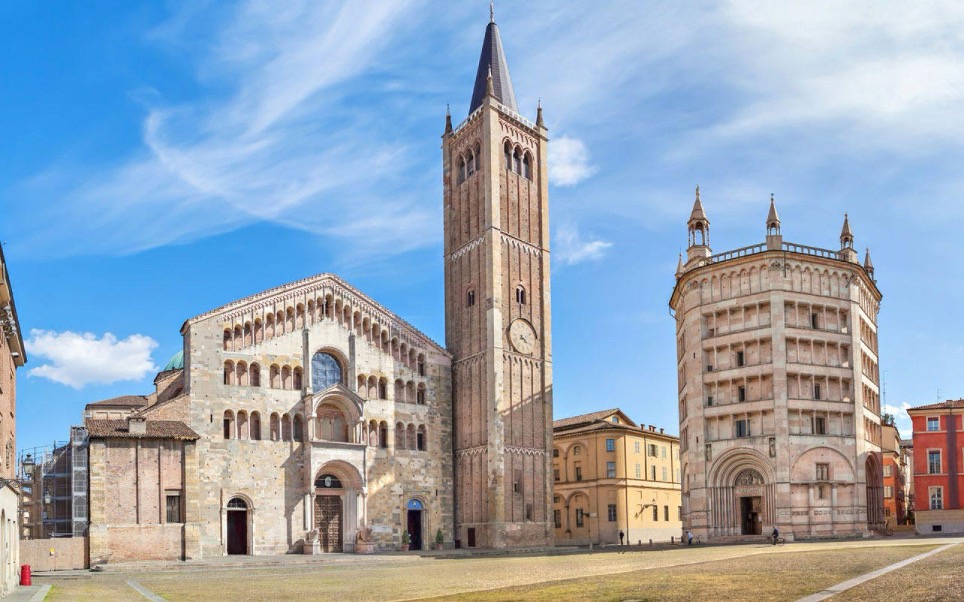
Piazza Duomo – Cathedral and Baptistery
One of Parma's most iconic views, bringing together the Romanesque Cathedral, its bell tower and the remarkable pink-marble Baptistery designed by Benedetto Antelami.
Read More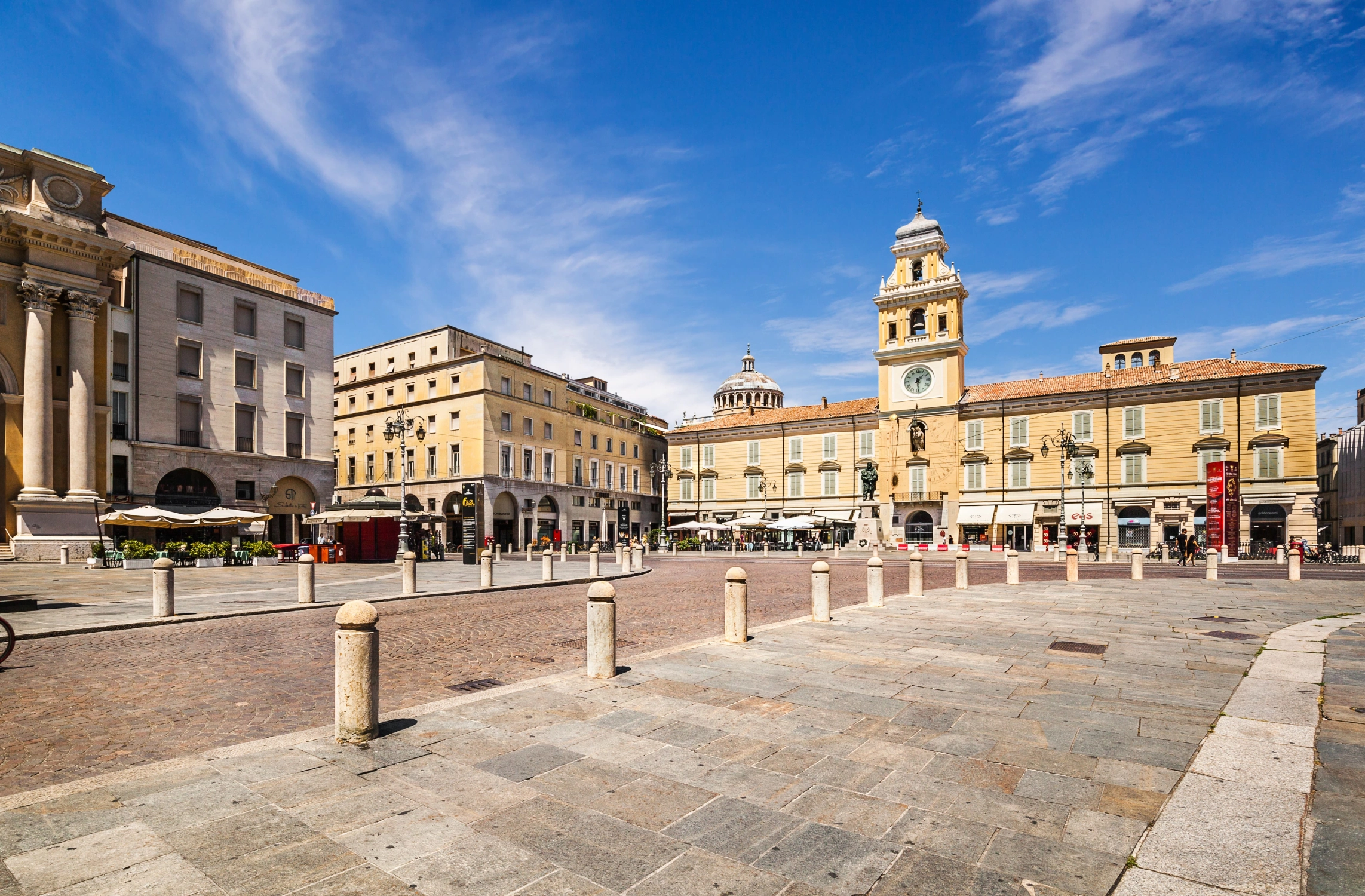
Elegant, welcoming, and proud of its traditions, Parma is a city where art, music, and good food are part of everyday life. Here, Correggio's frescoes soar in the dome of the Cathedral, Verdi's operas still resonate at the Teatro Regio, and a centuries-old university keeps the city young and lively.
During EuroFoodChem XXIV, we invite you to step out of the conference halls and explore Parma at its own pace: wander through the historic center, linger in its squares and cafés, and let the city surprise you, one corner at a time.
Located in the heart of Emilia-Romagna, Parma has a compact historic center that can easily be explored on foot, so you can make the most of your free time between sessions.
For itineraries, museums, events, and practical tips, visit the official tourism website of Parma: Parma Welcome. Tourist maps and downloadable guides are also available on the website.
With origins dating back to Roman times, Parma has developed over more than two thousand years at the crossroads of important routes connecting northern and central Italy. The Roman colony of Parma was founded in 183 BC, and over the centuries the city became an important political, artistic, and cultural center.
Its historic identity was particularly shaped by the Duchy of Parma and Piacenza, ruled by the Farnese family and, later, by Marie Louise of Austria, whose legacy can still be seen in many of the city's palaces, theaters, and public spaces.
Today, Parma is celebrated for the remarkable concentration of art, music, and gastronomy that characterizes both the city and its surrounding area. The historic center features outstanding Romanesque and Renaissance monuments, major works by Correggio and Parmigianino, and the monumental heritage of the Farnese period.
Music is another essential part of Parma's identity. The Teatro Regio , inaugurated in 1829, is one of Italy's most renowned opera houses and is closely associated with Giuseppe Verdi and the musical tradition of the region.
Parma is also internationally recognised for its food culture. Located at the centre of the Italian Food Valley, the city is famous for products such as Parmigiano Reggiano PDO and Prosciutto di Parma PDO, and in 2015 it was designated a UNESCO Creative City of Gastronomy.
This strong connection between food and science makes Parma a particularly fitting host for EuroFoodChem XXIV: the city is also home to the European Food Safety Authority (EFSA).
In 2027, the year of EuroFoodChem XXIV, Parma will also hold the title of European Youth Capital, with a programme focused on youth participation, inclusion, sustainability and European cooperation.
One of Parma's most iconic views, bringing together the Romanesque Cathedral, its bell tower and the remarkable pink-marble Baptistery designed by Benedetto Antelami.
Read More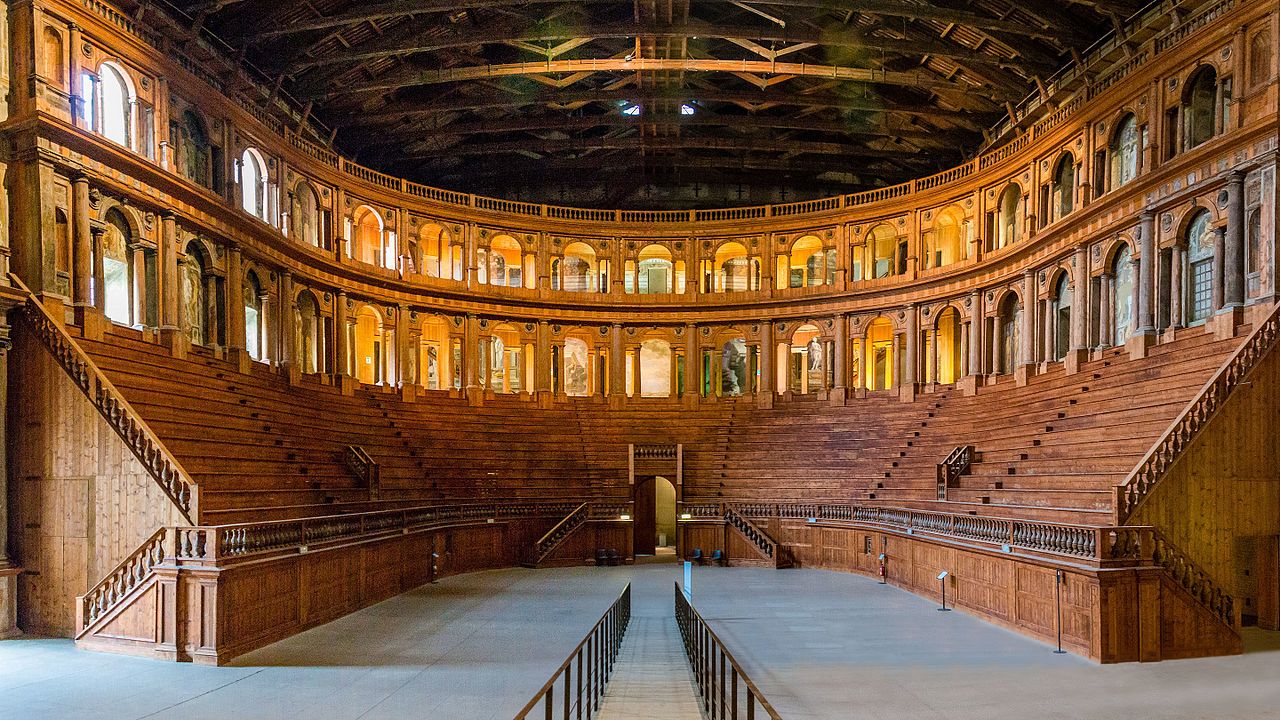
The spectacular wooden Teatro Farnese, housed within the monumental Palazzo della Pilotta, is one of the most distinctive examples of seventeenth-century theatrical architecture in Italy.
Read More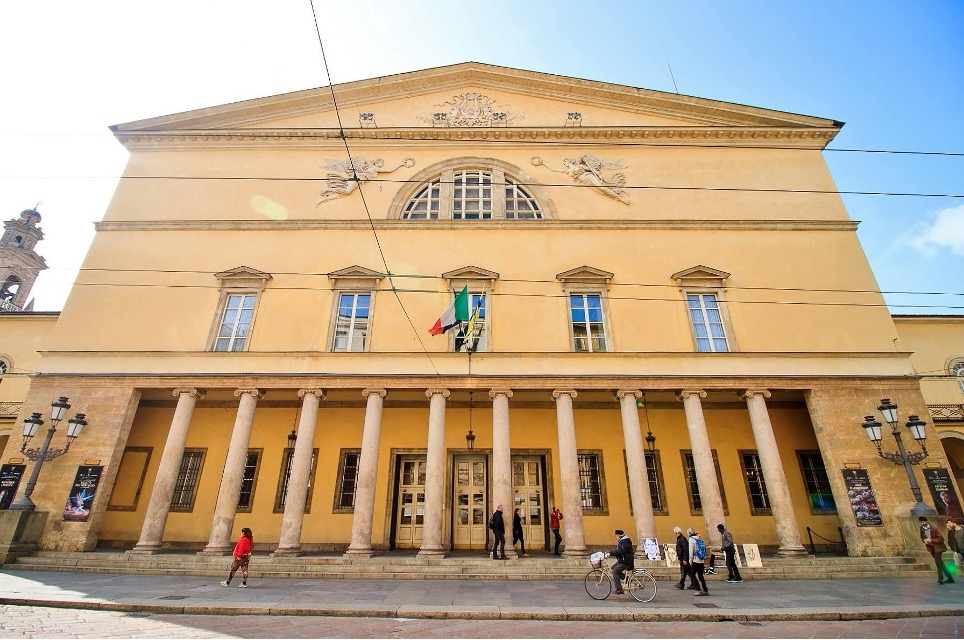
One of the symbols of Parma's musical identity, the Teatro Regio is internationally renowned for its opera tradition and its strong connection with the music of Giuseppe Verdi.
Read More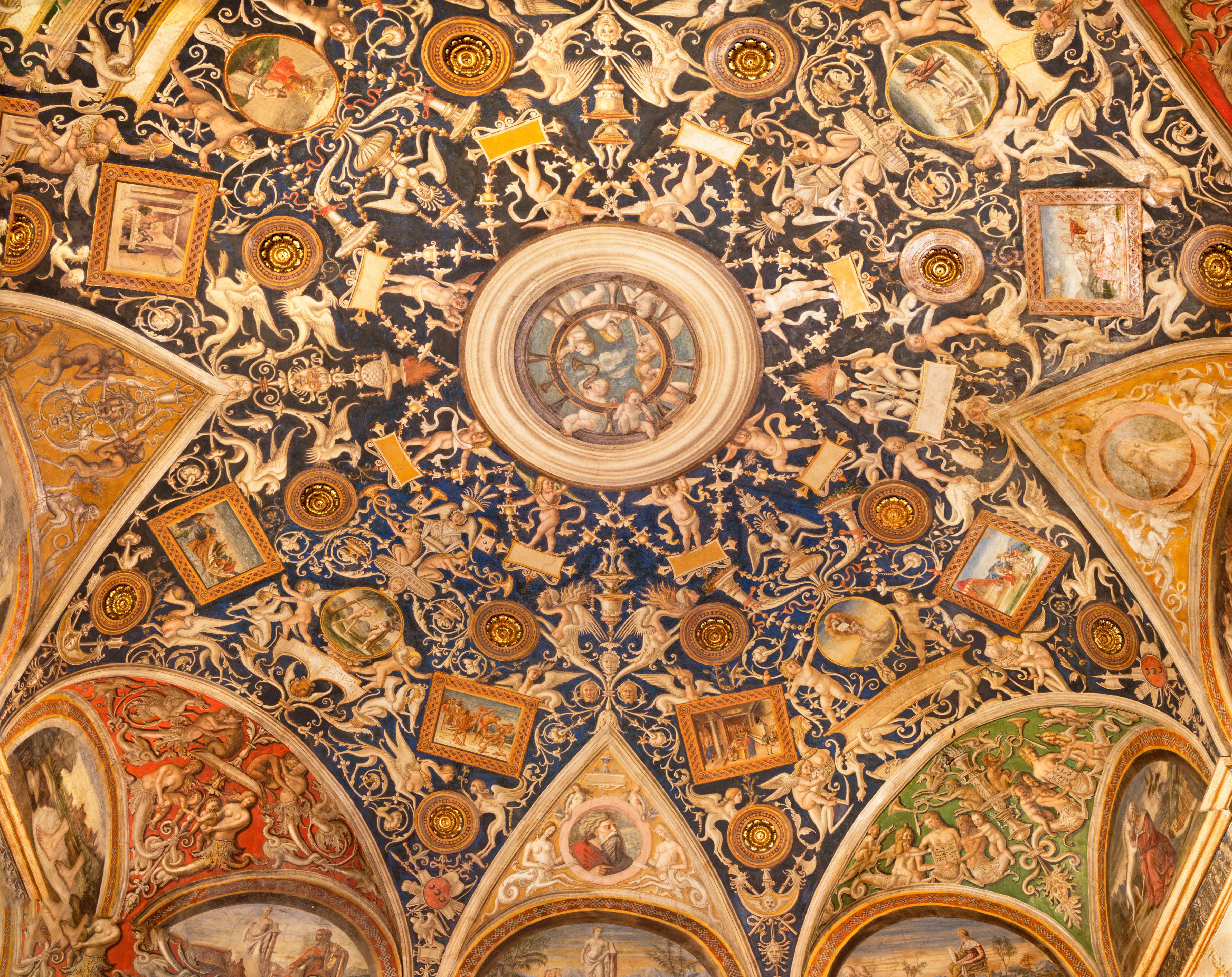
The Camera di San Paolo, decorated by Correggio, offers one of the most fascinating examples of Renaissance illusionistic painting in Parma and is located within easy walking distance of the city's main monuments.
Read More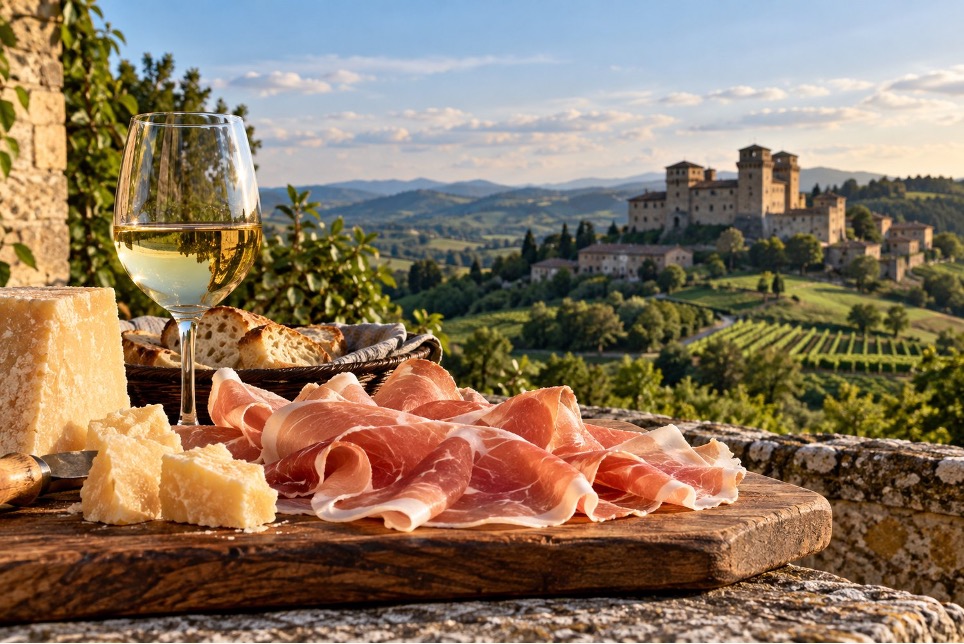
Parma lies at the heart of the Italian Food Valley and is internationally celebrated for two of its most famous PDO products: Parmigiano Reggiano and Prosciutto di Parma.
Read More
One of the most remarkable medieval squares in Italy, Piazza Duomo is home to the Cathedral of Santa Maria Assunta and the extraordinary octagonal Baptistery, designed by Benedetto Antelami and built in pink Verona marble. The Cathedral also contains the celebrated frescoed dome by Correggio.
Discover More
The monumental Palazzo della Pilotta houses several of Parma's most important cultural institutions, including the National Gallery, the National Archaeological Museum, the Palatine Library, the Bodoni Museum and the spectacular wooden Teatro Farnese, built in the early seventeenth century.
Discover More
Opened in 1829, the Teatro Regio di Parma is one of the symbols of the city's musical tradition. Its elegant Neoclassical architecture and longstanding association with Italian opera make it one of Parma's most prestigious cultural landmarks.
Discover More
Unfortunately, the Camera di San Paolo will be close from August 31, 2026, until spring 2027 for safety and conservation work on its historical and artistic heritage. During the closure, the Camera di San Paolo ticket office will remain open as usual for issuing tickets to the other civic museums: Pinacoteca Stuard, Castello dei Burattini – Giordano Ferrari Museum, Casa del Suono, Museo dell'Opera, and Arturo Toscanini's Birthplace.
Discover More
A visit to Parma also offers the opportunity to discover the gastronomic heritage of the surrounding area, including producers of Parmigiano Reggiano, Prosciutto di Parma and other protected local specialities that have contributed to Parma's international reputation as a city of food and gastronomy.
Discover More